
Recently, a number of international organizations have said that global trade growth is expected to rebound this year. The latest edition of the World Trade Organization (WTO) Global Trade Prospects and Statistics report predicts that the volume of global trade in goods will grow by 2.6% in 2024, and that the momentum of this year's recovery will continue in 2025, with an expected growth of 3.3%. The OECD expects global trade in goods and services to grow by 2.3% this year and 3.3% by 2025. The International Monetary Fund (IMF), in its latest World Economic Outlook report, also forecasts that the volume of global trade, which includes goods and services, will grow by 3% this year.According to WTO Director General Iweala, the recovery of global trade is progressing thanks to the resilience of the global supply chain and a solid multilateral trade framework.

The weakening of global inflationary pressures this year has been a boon. According to the WTO, the volume of global trade in goods declined by 1.2% in 2023, with high energy prices and persistent inflation leading to a contraction in the volume of global trade. IMF data show that global inflation averaged 6.8% in 2023, hitting import demand while eroding real incomes of residents. With the fall in energy prices and the gradual emergence of the effects of monetary policy tightening in major developed economies, the market generally expects global inflationary pressures to weaken further this year, and real incomes of residents to grow again, thus improving and boosting consumer demand.
The continued downward trend in inflation will also reduce the need for central banks to maintain high interest rates. High interest rates are themselves one of the main constraints on demand. Successive interest rate hikes in a number of advanced economies since 2022 have brought interest rates to their highest levels in more than 20 years in 2023. The high interest rate environment has significantly pushed up the cost of corporate funding, dampening corporate investment demand, which is the largest driver of global import trade, with the volume of global trade in goods generated by corporate investment demand accounting for about 36% of total global imports of goods. Therefore, when central banks confirm that inflation can fall back to the target level and take measures to reduce interest rates, enterprises will be encouraged by the reduction of cost pressures and the improvement of consumption prospects, and gradually resume investment spending, which will in turn lead to the activation of global trade in goods.
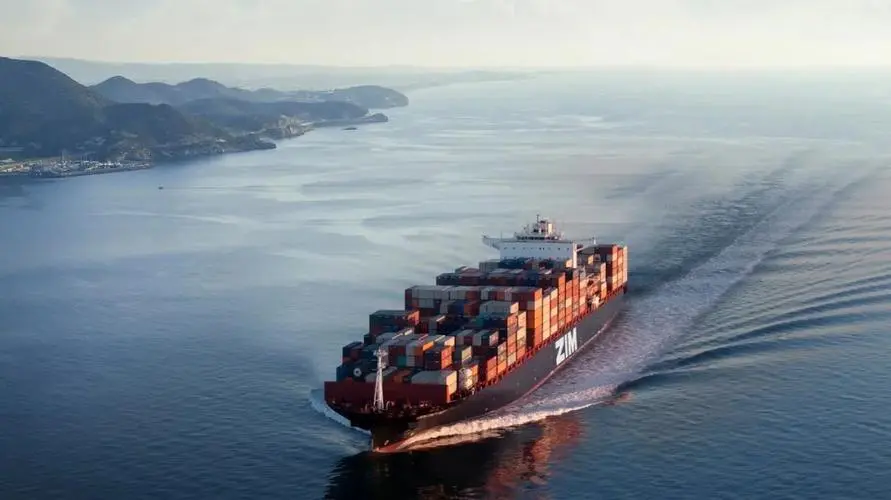
Another favorable condition for the recovery of global trade is the main role played by the global multilateral trading system. Taking the Regional Comprehensive Economic Partnership Agreement (RCEP) as an example, its 15 member countries cover about 30% of the total global population and economic volume, and it maximizes the integration of 27 trade arrangements and 44 investment agreements of the members in the region, sends out a strong signal against unilateralism and protectionism, and effectively pushes forward the development of the multilateral trading system, becoming an important force to pull trade growth.
While global trade is showing a recovery trend, it still faces a series of challenges at the structural level, and geopolitical conflicts and the increase in trade restrictive measures in some countries will bring pressure and risk to trade recovery. The Red Sea crisis and the tensions in the Middle East have reduced global maritime transportation capacity and increased the risk of supply chain delays. Individual countries' pan-politicization and pan-securitization of economic and trade issues not only exacerbate the risk of fragmentation of global trade, but also impede the free flow of factors of production in many areas, especially in high-tech areas, and pose downside risks to global trade growth.

China's open door is opening wider and wider, creating new opportunities for global trade and cooperation. At present, China's foreign trade development industrial foundation, factor endowment, innovation ability is constantly enhanced, foreign trade new dynamic energy, new advantages are constantly being stimulated. According to China Customs statistics, in the first four months of this year, China's import and export of trade in goods totaled 13.81 trillion yuan, up 5.7% year-on-year. As of 2023, China has maintained its position as the world's largest country in trade in goods for seven consecutive years, with imports and exports accounting for 10.6% and 14.2% of the international market share respectively. It is foreseeable that China will continue to be an important force driving the recovery of global trade as external demand grows and policies to stabilize foreign trade continue to gain momentum.