
ETL certification is an important safety certification mark for products entering the US and Canadian markets, issued by Intertek Group to demonstrate compliance with electrical safety and performance standards in North America. The following is a detailed introduction: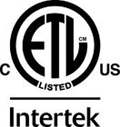
1、 Certification background and logo significance
Historical origin: ETL certification was founded by Thomas Edison in 1896. After a century of development, it has become one of the most dynamic safety certification marks in North America.
Authoritative recognition: The ETL mark is issued by Intertek Tianxiang Group, one of the world's largest product and daily necessities inspection organizations, with 240 laboratories and 469 offices in 93 countries worldwide.
Meaning of the logo: The "us" in the lower right corner indicates applicability to the United States, the "c" in the lower left corner indicates applicability to Canada, and both "us" and "c" indicate applicability in both countries.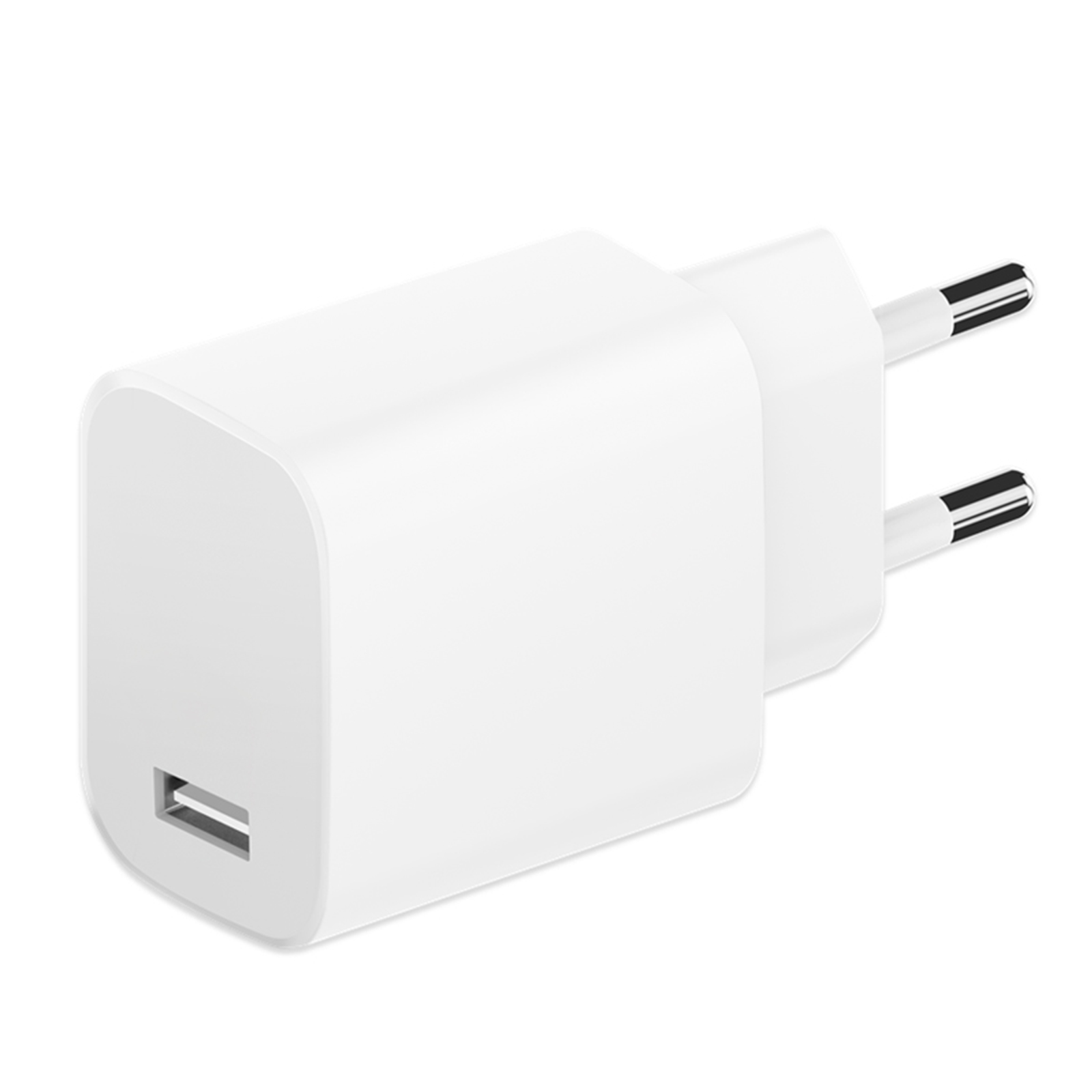
2、 Applicable product scope
ETL certification covers a wide range of product categories, including but not limited to:
Household appliances: such as rice cookers, coffee machines, vacuum cleaners, microwaves, ovens, etc.
Lighting equipment: including LED lights, desk lamps, industrial floodlights, etc.
IT and electronic products: such as chargers, power adapters, computer accessories, televisions, speakers, computers, printers, etc.
Industrial equipment: including electric tools, industrial motors, CNC machine tools, injection molding machines, cranes, elevators, etc.
HVAC equipment: such as air conditioning, dehumidifiers, humidifiers, etc.
Communication equipment: including wireless communication devices, network devices, telephones, etc.
Medical devices: such as CT machines, MRI equipment, surgical instruments, blood pressure monitors, blood glucose meters, etc.
Automobiles and transportation vehicles: automotive components (engines, brake systems, onboard electronic devices, navigation systems, onboard chargers, etc.), electric vehicle charging equipment, etc.
Sample testing: Send the product to Intertek laboratory for electrical safety, material flame resistance, electromagnetic compatibility, mechanical safety, RF performance, and other tests.
Audit and certification: After passing the test, a report will be generated. Upon passing the audit, the ETL certificate will be obtained and labeled.
Factory inspection: The first application requires a factory inspection, and there will be irregular follow-up factory inspections every quarter thereafter. In addition to the factory inspection fee, certificate and license fees need to be paid quarterly.
Continuous compliance: Through annual factory audits (IPI factory inspections), ensure that mass-produced products are consistent with the submitted samples. If the product design changes, it is necessary to resubmit for testing.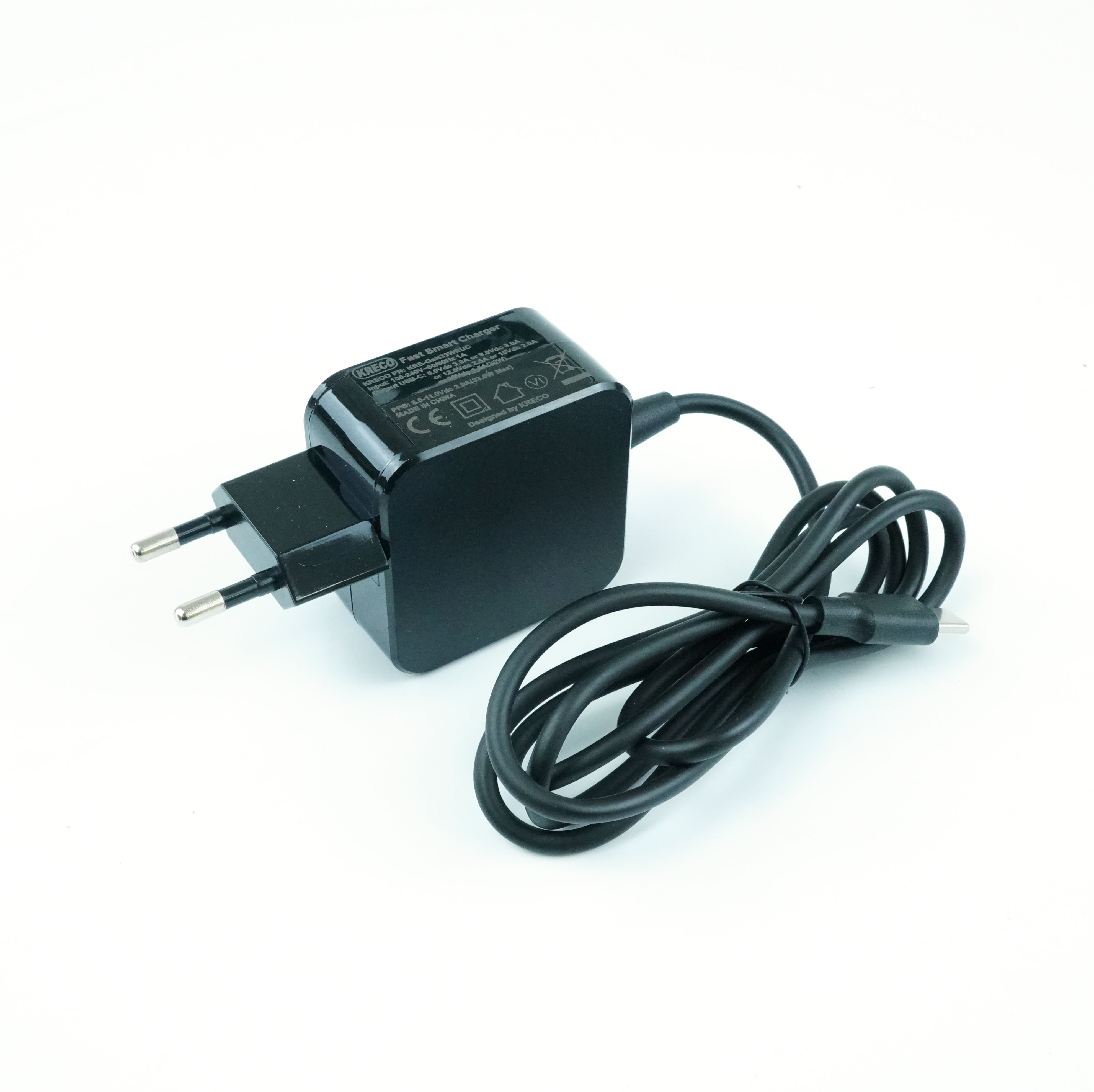
4、 Certification advantages
Market access: Meets the recognition of NRTL in the United States and SCC in Canada, and can directly enter the North American market.
Cost efficiency: The cycle time is usually 3-8 weeks, and the cost is about 3000-15000 US dollars, which is more cost-effective than UL certification (ETL costs are usually 30% -50% lower). In special circumstances, ETL can issue certificates first and then conduct factory inspections to save valuable time.
Risk control: Reduce product recall risks and avoid legal disputes caused by safety issues.
Competitiveness improvement: The ETL logo has been recognized by Amazon, Wal Mart and other large channels, enhancing consumer confidence. Enhance brand image, expand market share in Canada, and stand out in the fiercely competitive market.