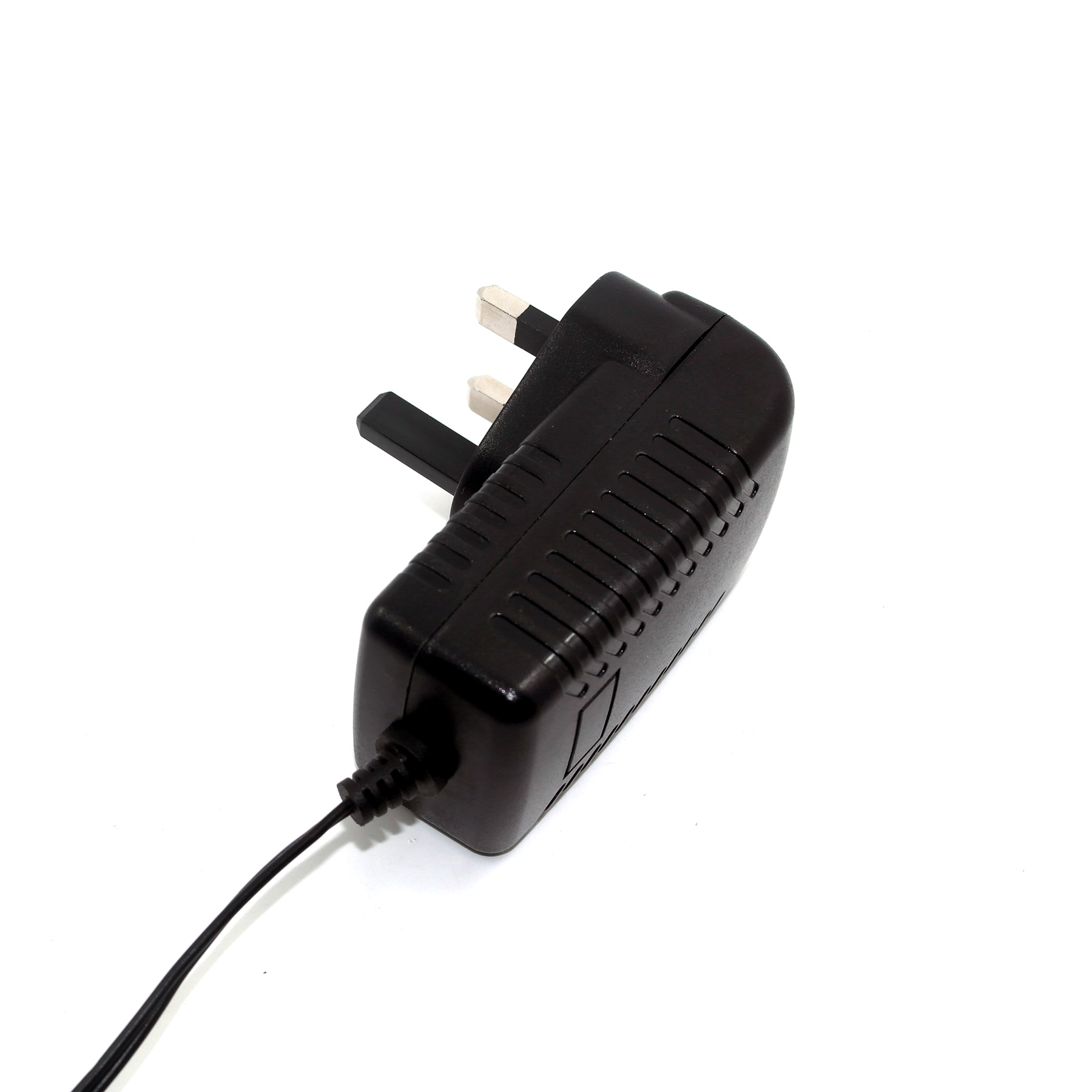
The function of a power adapter is to change the voltage. During the voltage conversion process, due to losses, a portion of electrical energy needs to be consumed. After converting electrical energy into thermal energy, some of the thermal energy is transferred to the surrounding environment through radiation, convection, and conduction. Another part of the heat energy is absorbed by itself, causing the temperature of the power adapter to warm up. Degree increase. The heat resistance of insulation materials indicates that when the internal temperature of the equipment rises to a certain temperature, the insulation materials will rapidly age, shorten the service life of the product, and reduce safety performance. Therefore, only when the temperature of the power adapter is controlled within an appropriate range, can it work safely and normally.
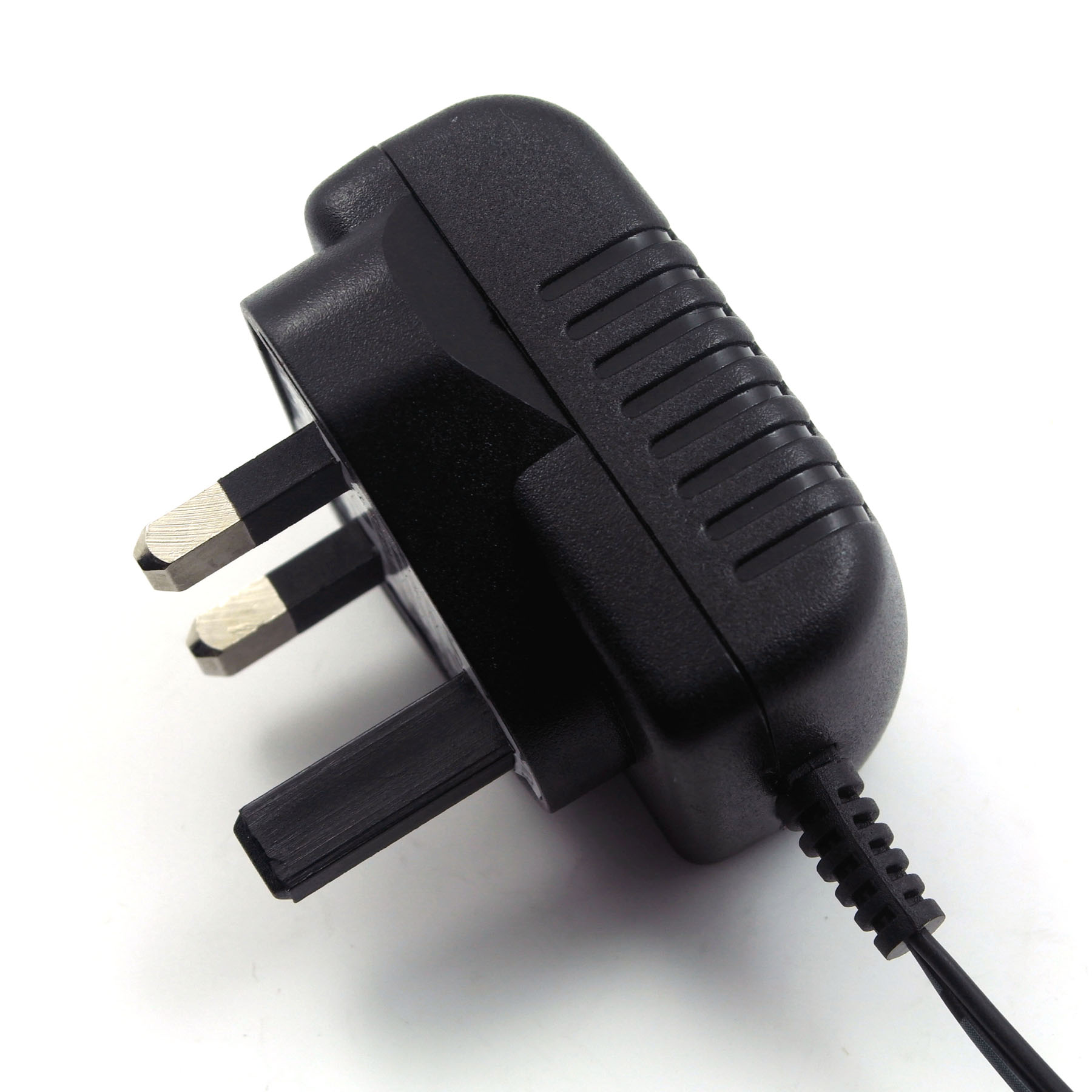
The high output voltage generally comes from the voltage stabilization sampling and control circuits. In the closed control loop composed of DC output, sampling resistor, error sampling amplifier such as TL431, optocoupler, power control chip and other circuits, any problem with any of these components will cause an increase in output voltage.
During the supervision and spot check process, it was found that certain products have a significant safety hazard due to the high temperature rise of printed circuit boards and transformer windings under normal working conditions. As consumers, we should closely monitor the temperature rise of the product during use. The simplest and most straightforward method is to test the temperature rise of the product casing during use. The temperature difference between the casing of the power adapter and the ambient temperature should not exceed 60 degrees Celsius. Even in hot summer, the ambient temperature should reach 35 degrees Celsius, and the shell temperature should not exceed 95 degrees Celsius. If the temperature rises and the product is too high, we should stop using it in a timely manner.