Chargers have a broad scope of application, covering virtually all portable or stationary electronic devices reliant on electrical power. Their core function is to replenish battery power, ensuring uninterrupted operation. Below are the primary applications and classifications of chargers:
1.Classification by Device Type
Consumer Electronics
Mobile phones/tablets: USB-C, Lightning port chargers supporting fast-charging protocols (e.g., PD, QC).
Laptops: High-power chargers (65W–240W) supporting Type-C or proprietary connectors.
Wearables: Smartwatches, wireless earbuds chargers, predominantly featuring magnetic or wireless charging designs.
Digital cameras/camcorders: Dedicated battery chargers or USB direct charging.
Household appliances
Power tools: Drills, vacuum cleaners, etc., utilising high-power chargers (18V–60V).
Small appliances: Electric toothbrushes, shavers, etc., typically using 5V/1A low-power chargers.
Smart home devices: Smart speakers, cameras, etc., supporting USB or wireless charging.
Transportation
Electric vehicles/bicycles: Dedicated charging stations or portable chargers supporting AC/DC fast charging.
Drones: Balanced chargers or USB direct charging, requiring compatibility with battery type (e.g., LiPo).
Industrial and Medical Equipment
Industrial robots: Customised chargers supporting high-current rapid charging.
Medical devices: Portable monitors, defibrillators, etc., requiring compliance with medical safety standards.
1.Classification by Charging Method
Wired Charging
USB ports: Highly versatile, supporting 5V/1A to 20V/5A (PD 3.1).
Proprietary interfaces: e.g., Apple Lightning, Huawei SCP, Samsung AFC.
DC connectors: For legacy or high-power devices (e.g., projectors).
Wireless Charging
Qi standard: For smartphones, earphones, etc., with power outputs ranging from 5W to 50W.
Magnetic charging: Apple MagSafe, Huawei X-Gen, etc., enhancing charging efficiency.
Solar Charging
Outdoor equipment (e.g., hiking watches, emergency lights) utilising solar panels, dependent on sunlight conditions.
III. Classification by Usage Scenario
Home/Office
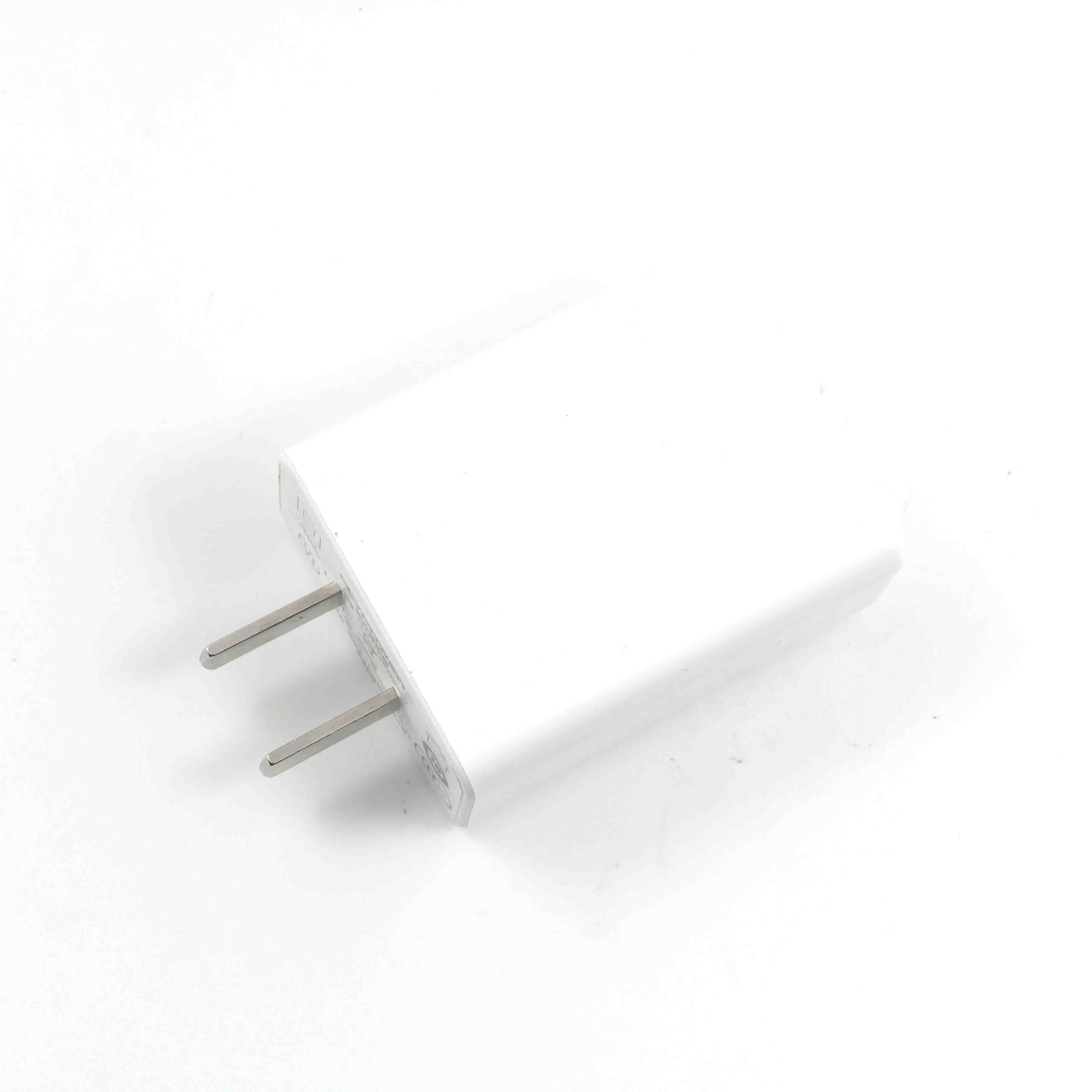
Multi-device chargers (e.g., 65W multi-port chargers) supporting simultaneous charging of phones, tablets, and laptops.
Smart sockets with integrated charging functionality enabling scheduled/remote control.
In-Vehicle Scenarios
Car chargers (cigarette lighter socket) for charging phones, sat-navs, etc.
Electric vehicle on-board chargers (OBC) converting AC to DC for charging.
Outdoor/Travel
Portable power banks (supporting PD, QC protocols) with capacities ranging from 5000mAh to 30000mAh.
Solar panels + energy storage batteries, suitable for environments without mains power.
Public Facilities
Shared power banks (e.g., Street Power, Monster) providing temporary charging services.
Public charging points (for electric vehicles, e-bikes) supporting QR code payment.
2.Key Parameters and Compatibility
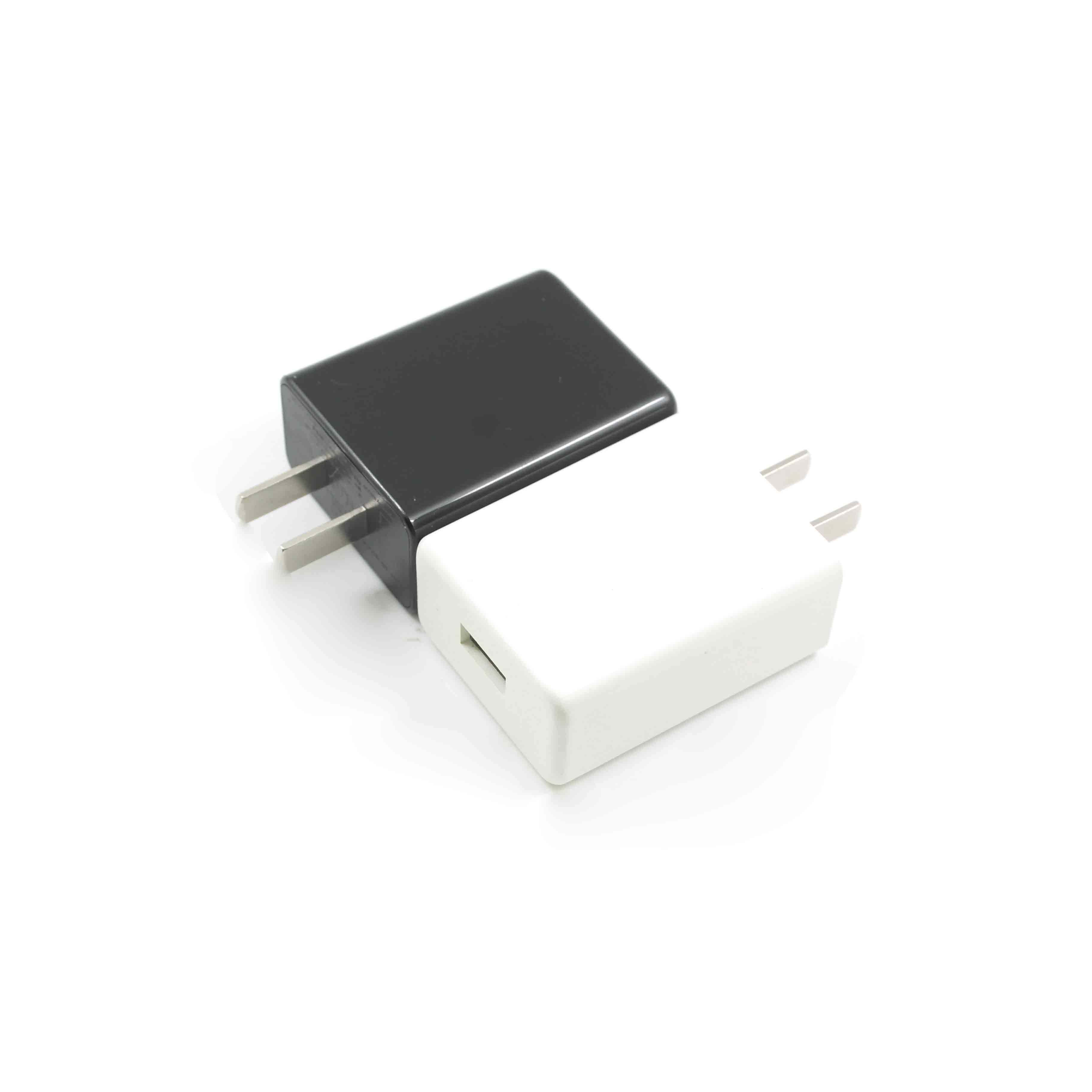
Output Voltage/Current: Must match device requirements (e.g., mobile phones typically 5V/2A, laptops 20V/3.25A).
Fast Charging Protocols: PD, QC, AFC, etc. Different brands require corresponding protocols.
Interface Types: USB-A, USB-C, Lightning, DC, etc. Must match device ports.
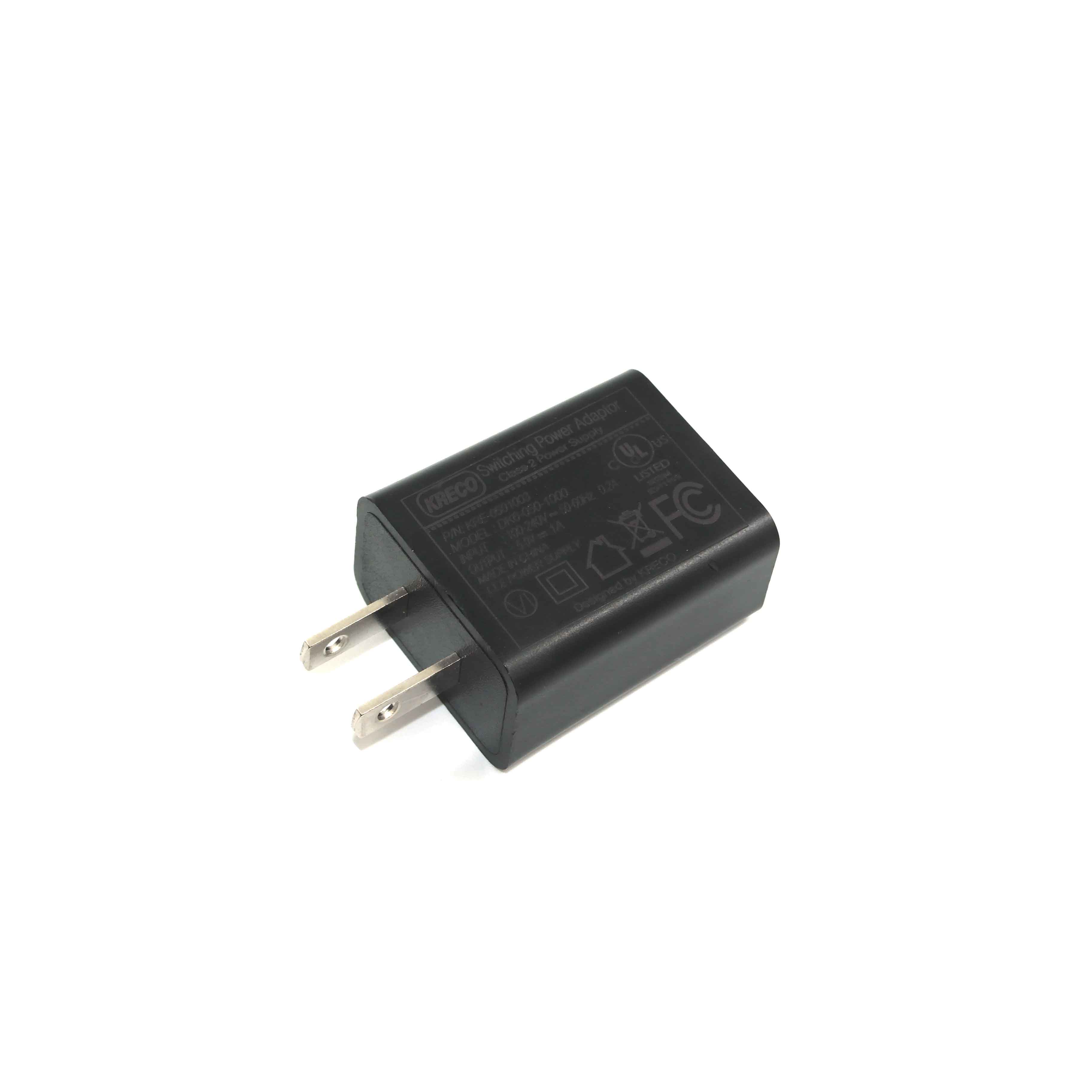
Safety Certifications: CE, FCC, UL, etc., ensuring secure charging operations.
3.Development Trends
High-Power Fast Charging: Widespread adoption of GaN (Gallium Nitride) technology enables smaller, more efficient chargers.
Multi-Device Compatibility: Single-port chargers supporting multiple protocols, e.g., Anker 735 Charger (Nano II 65W).
Wireless Charging Adoption: Expanding beyond smartphones to headphones, smartwatches, etc., with gradually increasing power outputs.
Environmental Sustainability: Solar charging solutions and recycled materials reduce electronic waste.
Summary
Charger applications have expanded beyond traditional mobile phones to encompass all-scenario electronic devices, spanning domestic, office, travel, and industrial environments. When selecting chargers, comprehensive consideration must be given to device type, charging method, usage scenario, and safety standards to ensure both charging efficiency and equipment security.