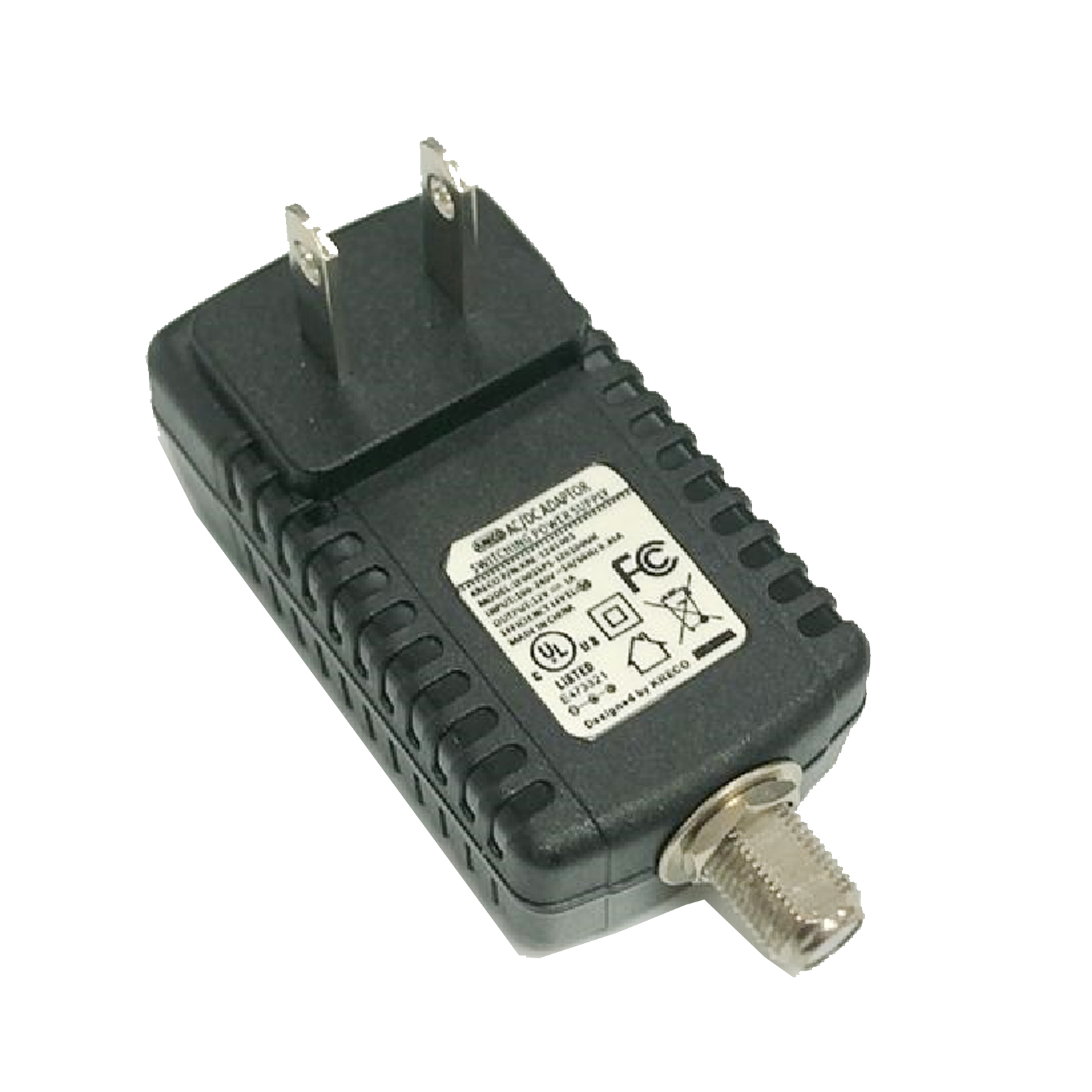
1.Remote Monitoring and Control Features: Leveraging IoT technology, some adapters now offer remote monitoring and control capabilities. Users can check the adapter’s operational status—such as output voltage, current, and charging progress—anytime, anywhere via a mobile app or web interface. Additionally, users can remotely control the adapter, including turning charging on or off and adjusting charging modes. For example, if a user leaves home and forgets to turn off a device’s charger, they can remotely cut off the adapter’s power via the mobile app to prevent damage from overcharging and save energy. For business users, remote monitoring allows administrators to centrally manage and monitor the usage of a large number of adapters, improving management efficiency.
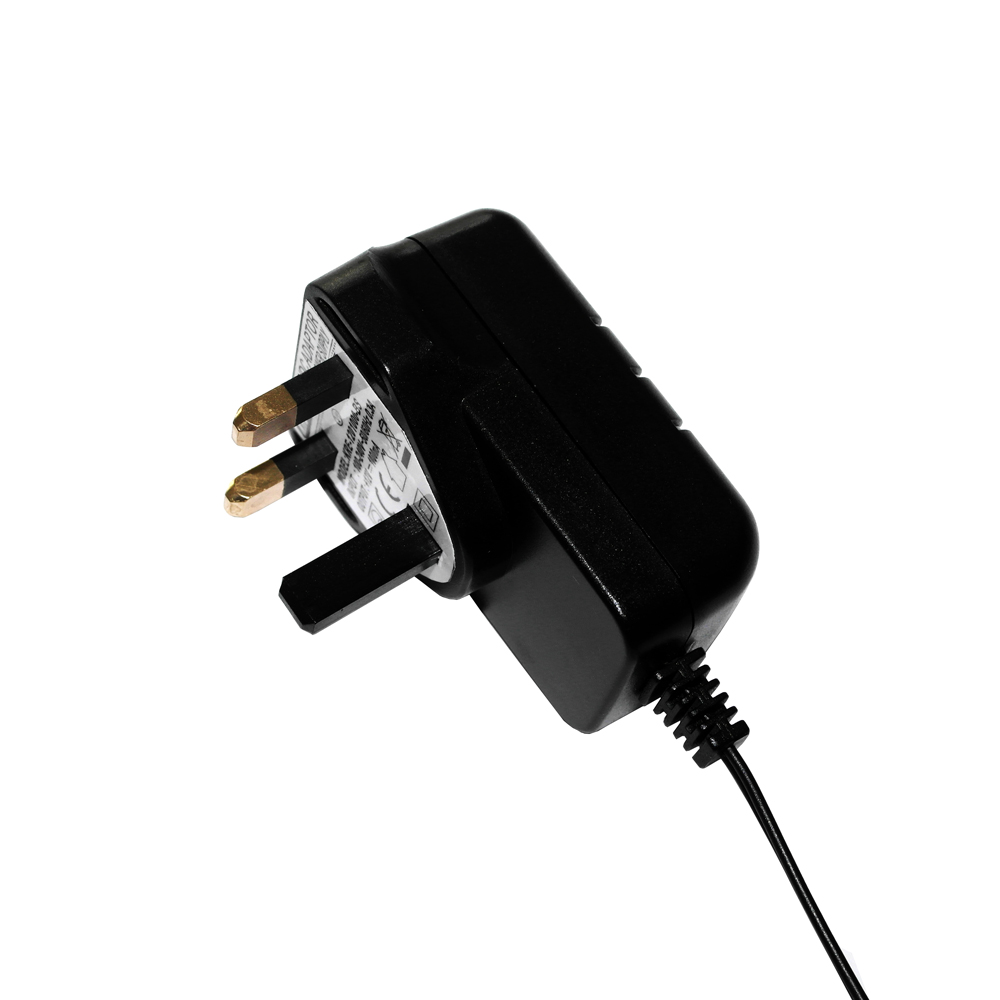
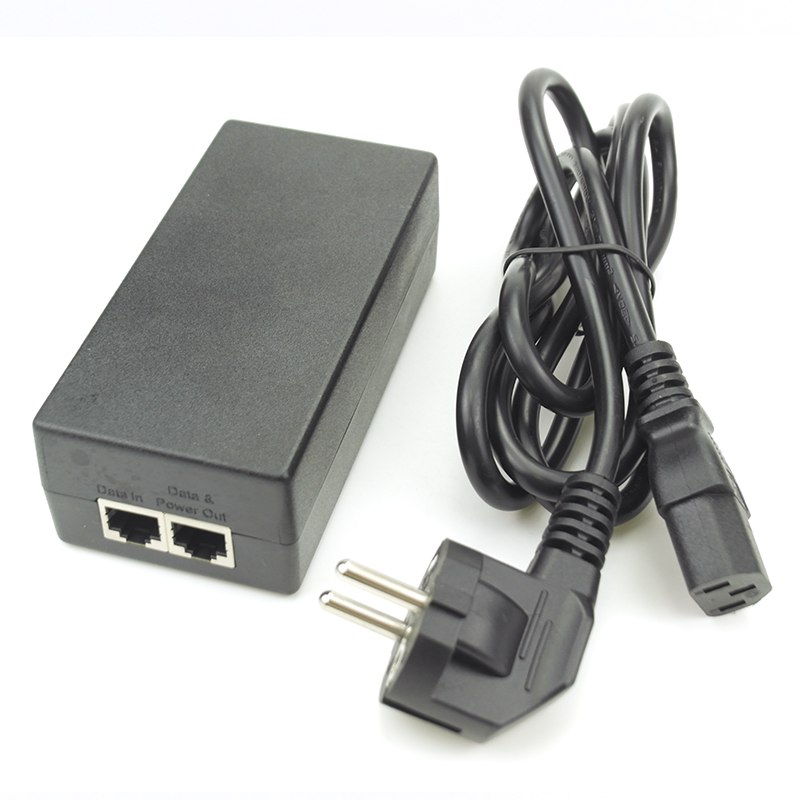
2.Intelligent Learning and Adaptive Optimization Some smart adapters feature learning capabilities, enabling them to adapt and optimize based on user habits and device charging needs. For example, by analyzing the user’s daily charging times and power requirements for their smartphone, the adapter can automatically adjust its charging strategy. It adopts an appropriate charging mode during the user’s typical charging periods, ensuring the phone is fully charged in a timely manner while preventing overcharging and battery degradation. Additionally, smart adapters can automatically identify and match the optimal charging parameters based on the characteristics of different devices, thereby improving charging efficiency and extending the lifespan of the devices.